
This page talks about sexual abuse. Take it at your own pace.
Counselling after sexual abuse, at your pace
You might recognize this
- It happened a long time ago. You’re not sure why it feels louder now.
- You’ve never said it out loud, and you’re not sure you want to.
- Family gatherings are harder than anyone knows.
- You keep wondering whether it “counts”.
- Sometimes kindness feels harder to take than coldness.
Whether it was long ago or more recent, you set the pace. Jasneet works with survivors of sexual abuse and family trauma, in English, Punjabi or Hindi.
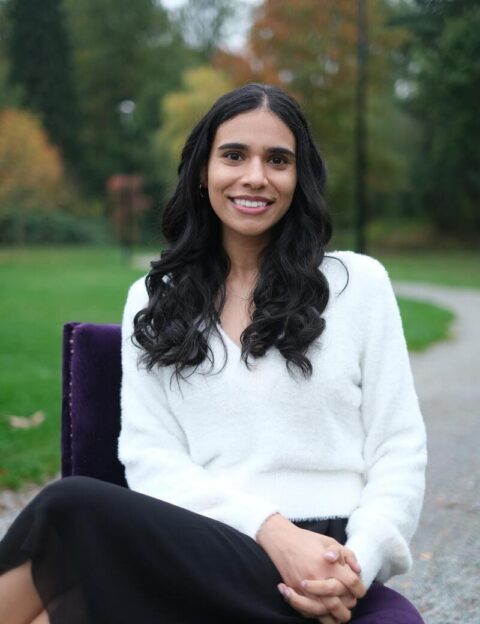
Jasneet Purewal works with this. Sessions from $145.
The Leave button at the top of the screen swaps this page for a weather site. On a keyboard, press Esc. This doesn’t clear your browsing history. If someone checks your device, use a private window.
How we work with it
There’s no right time to get help after sexual abuse. Some people come soon after. Many come years later, when a wedding, a birth, a family event or a news story brings it closer. Whenever it is, it’s not too late and it’s not too soon.
You set the pace
Jasneet Purewal works with survivors of sexual abuse and family trauma. She has run a group for survivors, and plans to start a new one in January. The first rule in her sessions is that you’re in charge. You can tell her something happened without telling her what it was. She won’t take you through the worst of it on day one, and she won’t go digging.
Early sessions are usually about now: how you’re sleeping, what feels hard, who’s in your corner, and what you hope will be different. You’ll leave with one small thing to try before next time, and a check on how the session felt.
Starting with the body
Abuse lives in the body as much as in memory. It can show up as freezing, startling, numbness, or a tight chest at family events. Jasneet takes a trauma-informed, collaborative approach and moves at your pace. She draws on CBT, DBT and somatic (body-based) techniques to help you feel steadier and safer, so that harder conversations, if you choose to have them, don’t knock you over.
When it happened in the family
When the person who hurt you is family, or the family knew and stayed quiet, recovery gets tangled up with loyalty, honour and what people will say. Jasneet is a first-generation South Asian counsellor and won’t need that explained (see family, culture and identity). Sessions can be in English, Punjabi or Hindi. She won’t push you to confront anyone or cut anyone off. You decide.
Privacy and safety
Sessions are by video or phone, from anywhere you feel safe to talk. If the abuse was a crime, BC’s Crime Victim Assistance Program (CVAP) may pay for counselling: see fees, insurance and CVAP. Use the “Leave quickly” button on this page if someone walks in. It doesn’t clear your history, so use a private browser window if someone checks your device.
Who on our team works with this
Main specialty
Jasneet Purewal
Registered Therapeutic Counsellor
For the ones everyone else leans on. Family pressure, couples and life before or after marriage, in English, Punjabi or Hindi.
- Fees
- From $145 Sliding scale
- Times
- Weekends and most weekday evenings
- Languages
- English, ਪੰਜਾਬੀ Punjabi, हिन्दी Hindi
Good to know
Honest notes, including free options and when a different kind of help fits better.
VictimLinkBC is free, confidential and open 24/7, by phone or text: 1‑800‑563‑0808. If you’re in danger right now, call 9‑1‑1.
- VictimLinkBC (1‑800‑563‑0808, call or text, 24/7) offers support and information for anyone affected by sexual or family violence, in many languages.
- BC’s Crime Victim Assistance Program (CVAP) can pay for counselling for eligible victims, including of past abuse. Ask in your free consultation whether CVAP can cover your sessions with Jasneet.
- Reporting to police is your choice as an adult. Counsellors must report to child protection if a child may be at risk now, including when the person who hurt you still has contact with children. We’ll explain that before you share anything.
- If you’re struggling with thoughts of suicide or self-harm, call or text 9‑8‑8. You can also tell your counsellor; it won’t scare them off.
Common questions
Do I have to talk about what happened?
No. You can tell Jasneet it exists without telling her what it was. She won’t go looking. Many people work on how it affects them now long before they talk about details, and some never do.
Will you report it?
If you’re an adult talking about your own past, going to the police is your choice, not ours. There are two exceptions. If what you share means a child may be at risk now, for example because the person who hurt you still has contact with children, BC law requires counsellors to report that to child protection. And if someone’s life is in danger, your counsellor has to act. You can ask about this in your free consultation before you share anything.
Is it too long ago to get help?
No. Many people come years or decades later, often when something like marriage, a new baby or a family event stirs it up.
Can CVAP pay for counselling?
It might. CVAP helps eligible victims of crime in BC, including past abuse. Ask in your free consultation and we’ll explain what’s possible on our team.
Can I see a woman counsellor?
Yes. Jasneet is the counsellor on our team for this work.
Start with one free conversation.
Start with a free consultation with Jasneet. Say as much or as little as you like; it’s a conversation, not a commitment.
Next you’ll pick a time in Jane, our secure booking system. It asks for your name, email and phone.
Rather talk first? 250‑689‑6927